









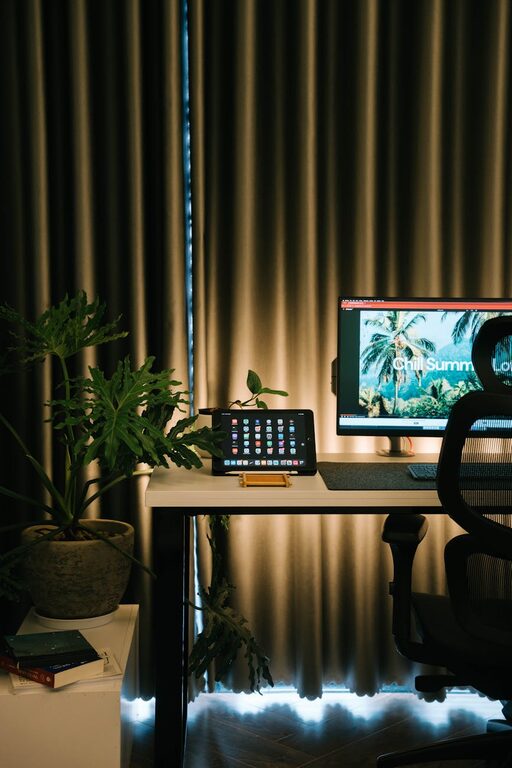
Creating a cozy and productive home office space can significantly improve your work-from-home experience. Whether you spend a few hours or the entire day at your desk, a well-designed environment helps you focus, stay motivated, and feel comfortable. Here are key tips to help you set up a home office that meets your professional and personal needs.
1. Choose the Right Location
Selecting the right spot for your home office is the foundation of a productive workspace.
– Natural Light: Try to position your desk near a window to take advantage of daylight. Natural light boosts mood, reduces eye strain, and keeps you alert.
– Quiet Area: Pick a space with minimal distractions and noise, especially if you participate in video calls or need deep concentration.
– Separate Space: If possible, use a separate room or a designated corner to signal the boundary between work and personal life.
2. Invest in Comfortable Furniture
Comfort plays a crucial role in maintaining productivity and preventing physical discomfort.
– Ergonomic Chair: A supportive chair with adjustable height and backrest provides comfort and helps maintain good posture.
– Desk Height: Your desk should allow your elbows to rest at a 90-degree angle when typing. Adjustable desks or standing desks are excellent options.
– Adequate Surface Area: Ensure your desk has enough space for your computer, accessories, and space to write or spread out documents.
3. Optimize Lighting
Good lighting reduces eye strain and creates an inviting atmosphere.
– Layered Lighting: Combine natural light, overhead lighting, and task lighting. A desk lamp with adjustable brightness is helpful for focused tasks.
– Avoid Glare: Position screens and light sources to minimize glare on your monitor.
– Warm Light: Using bulbs with warm tones can create a cozy and welcoming environment.
4. Organize with Purpose
An organized desk and storage system help reduce distractions and save time looking for items.
– Storage Solutions: Use shelves, drawers, or filing cabinets to keep documents and supplies tidy.
– Declutter Regularly: Clear unnecessary items from your workspace to maintain focus.
– Cable Management: Use clips or cable boxes to keep cords under control and prevent tangling.
5. Personalize Your Space
Adding personal touches can make your workspace more enjoyable without compromising professionalism.
– Plants: Indoor plants improve air quality and add a splash of nature, which can reduce stress.
– Art and Photos: Surround yourself with inspiring images or artwork that boosts creativity.
– Comfort Items: A cozy blanket, cushion, or favorite mug can elevate your comfort level.
6. Use Technology Wisely
Technology is essential in a home office, but it’s important to keep it functional and distraction-free.
– Quality Equipment: Invest in a good-quality monitor, keyboard, mouse, and reliable internet connection.
– Headphones: Noise-cancelling headphones can help you focus in noisy environments.
– Apps and Tools: Use productivity tools like calendars, task managers, and communication apps to stay organized and connected.
7. Create a Routine and Separate Work from Leisure
Establishing boundaries helps maintain a healthy work-life balance.
– Set Work Hours: Define specific working hours and stick to them to avoid burnout.
– Take Breaks: Schedule short breaks to stretch, move around, or relax your eyes.
– End-of-Day Ritual: Develop a routine to signal the end of your workday, such as tidying your desk or shutting down your computer.
8. Maintain Good Air Quality and Temperature
Indoor air quality and comfortable temperature affect concentration and well-being.
– Ventilation: Open windows or use air purifiers to keep fresh air circulating.
– Temperature Control: Ensure your workspace is not too hot or cold; use fans or heaters as needed.
Conclusion
Designing a cozy and productive home office is about balancing comfort and efficiency. By choosing the right location, investing in ergonomic furniture, managing lighting, organizing your space, and personalizing your environment, you can create a workspace that supports your best work. Remember that the key is to tailor your office to your needs and habits while maintaining clear boundaries between work and rest. With these simple yet effective tips, your home office can become a place where productivity and comfort thrive together.