









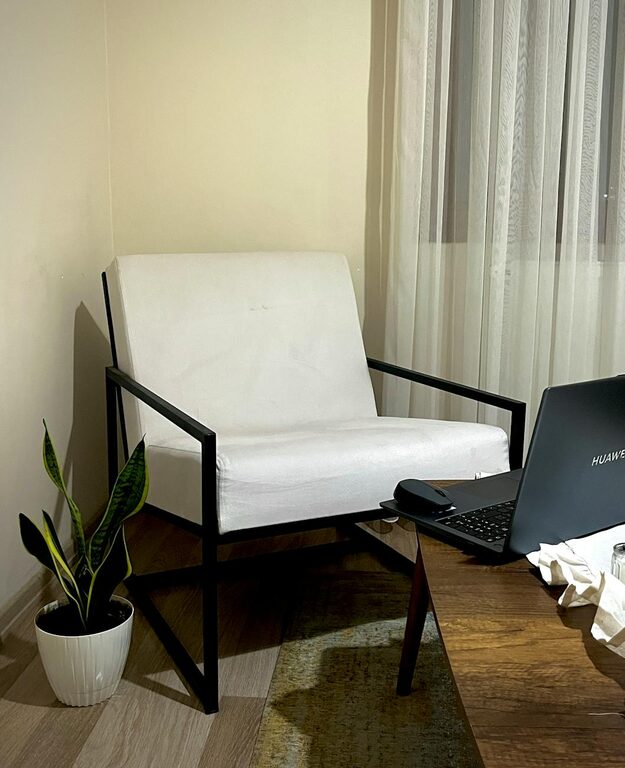
Creating a cozy and inviting home office can make a significant difference in your daily work routine. When your workspace feels comfortable and inspiring, you’re more likely to stay focused, motivated, and enjoy the time spent working from home. Whether you have a dedicated room or a small corner, these tips will help you transform your space into a welcoming and productive environment.
1. Choose the Right Location
Your home office location sets the tone for your workday. Ideally, pick a spot that:
– Has natural light: Sunlight boosts mood and energy.
– Is quiet and away from distractions: This helps you concentrate.
– Has enough space: Your desk and chair should fit comfortably without feeling cramped.
If a separate room isn’t available, try to create a clear boundary between your work area and living space.
2. Invest in Comfortable Furniture
Comfort is key in any workspace. Consider these furniture choices:
– Ergonomic chair: Support your back to avoid strain during long work hours.
– Sturdy desk: Choose one with enough surface area for your computer, documents, and accessories.
– Adjustable furniture: A height-adjustable desk can allow for sitting or standing while working, improving comfort and health.
Quality furniture is a smart investment that pays off through better posture and focus.
3. Use Warm and Soothing Colors
Color impacts mood and productivity. Opt for:
– Soft neutrals: Beige, light gray, or off-white create a calm atmosphere.
– Warm tones: Shades like soft yellows or muted greens can make the space inviting without being overwhelming.
– Accent colors: Add pops of color with accessories like cushions, artwork, or plants.
Avoid overly bright or harsh colors that might cause eye strain or anxiety.
4. Maximize Lighting
Good lighting reduces eye fatigue and lifts your spirits. Combine these elements:
– Natural light: Position your desk near a window.
– Task lighting: Use a desk lamp with adjustable brightness for focused work.
– Ambient lighting: Soft overhead lights or floor lamps provide general illumination.
Avoid glare on your screen by adjusting window treatments or lamp placement.
5. Personalize Your Space
Adding personal touches can make your office feel like your own retreat. Ideas include:
– Photos or artwork: Choose images that inspire or calm you.
– Decorative items: A favorite mug, a small vase, or interesting stationery.
– Inspiring quotes: Display a phrase that motivates you.
Personal items add warmth and remind you that your workspace is meant for you.
6. Incorporate Greenery
Plants do wonders for mood and air quality. Some easy-to-care-for options:
– Succulents: Require minimal water and care.
– Pothos or spider plants: Known to purify air and tolerate low light.
– Small desktop plants: Ideal for limited space.
Place plants where they can get indirect sunlight and be mindful not to clutter your workspace.
7. Keep Things Organized
A neat environment helps reduce stress and improves efficiency. Use these organization tips:
– Storage solutions: Shelves, filing cabinets, or baskets keep items tidy.
– Desk organizers: Use trays, pen holders, and cable organizers.
– Routine decluttering: Spend a few minutes daily clearing unnecessary items.
An organized office saves time and helps maintain a clear mind.
8. Add Cozy Textiles
Soft textiles bring warmth and comfort. Consider:
– Area rugs: To soften hard floors and add texture.
– Throw blankets: Great for chilly days and adding color.
– Cushions: For your chair or a nearby seating area.
These elements contribute to a welcoming atmosphere that encourages focus and relaxation.
9. Limit Noise Distractions
Noise can disrupt concentration. Tips to reduce it include:
– Noise-canceling headphones: Helpful if you have unavoidable background noise.
– Soft furnishings: Curtains, rugs, and cushions absorb sound.
– White noise machines or apps: Create a consistent auditory environment.
Creating a quieter space supports better focus and less stress.
10. Maintain Flexibility
Your needs might change, so build flexibility into your setup:
– Modular furniture: Easily rearranged as needed.
– Multiple zones: If space allows, have areas for focused work, reading, or brainstorming.
– Portable storage: Move supplies conveniently between spaces.
A flexible home office can adapt to your evolving work habits and tasks.
—
Designing a cozy and inviting home office is about balancing comfort, function, and personal style. With thoughtful choices in lighting, furniture, color, and organization, you can create a workspace that motivates and welcomes you every day. Start with small changes and watch your productivity and enjoyment grow.
Remember, the best home office is one tailored to your unique preferences and work style, where you feel inspired to do your best. Happy decorating!