









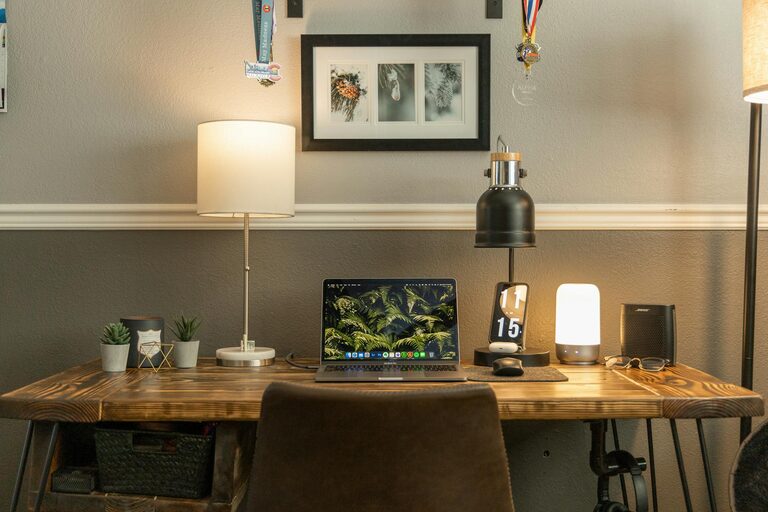
Creating a comfortable and efficient home office space is essential for anyone working from home or managing personal projects. A well-designed workspace promotes focus, reduces stress, and can even boost creativity. Whether you have a dedicated room or a small corner, these tips will help you craft a home office that feels cozy and supports your daily tasks.
Choose the Right Location
Finding the best spot for your home office is the first step. Ideally, select a quiet area with minimal distractions and enough natural light. Here are some considerations:
– Natural Light: Choose a space near a window if possible. Natural light can improve mood and help regulate sleep patterns.
– Noise Levels: Avoid high-traffic areas like the kitchen or living room. If space is tight, consider noise-cancelling headphones or white noise machines.
– Space Availability: Make sure the area is large enough for your desk, chair, and any equipment or storage you need.
Invest in Ergonomic Furniture
Comfort is key to maintaining productivity without physical strain. Ergonomic furniture supports good posture and reduces discomfort.
– Chair: Select an adjustable chair with lumbar support to prevent back pain.
– Desk: Choose a desk at a height that aligns with your elbows when sitting. Standing desks or adjustable options can offer flexibility.
– Monitor Placement: Keep your computer screen at eye level to avoid neck strain.
Personalize Your Space for Comfort
Adding personal touches ensures your space feels inviting and motivates you to work.
– Soft Textiles: Incorporate cushions, a comfy rug, or a cozy throw to add warmth.
– Plants: Indoor plants improve air quality and add a refreshing touch.
– Artwork: Hang inspiring or calming artwork that reflects your taste.
– Lighting: Use layered lighting, combining desk lamps and overhead lights, and consider a warm bulb temperature for a cozy ambiance.
Organize Efficiently
A clutter-free workspace supports focus and efficiency. Establish an organizational system that works for you.
– Storage Solutions: Use shelves, filing cabinets, or boxes to store documents and supplies.
– Desk Organization: Keep frequently used items within reach and minimize clutter on your desk surface.
– Cable Management: Use clips, sleeves, or under-desk trays to keep cables tidy.
Incorporate Technology Wisely
Select and set up your devices to optimize your work experience.
– High-Speed Internet: Reliable connectivity is essential for video calls and file transfers.
– Peripherals: Consider external keyboards, mice, or monitors that enhance comfort and usability.
– Charging Stations: Keep chargers and power banks organized and accessible.
Create Zones for Different Activities
If your space allows, set up zones for various tasks to help your brain switch gears easily.
– Work Zone: Main desk area for computer tasks and focused work.
– Reading/Relaxation Zone: A comfortable chair with good lighting for reading or brainstorming.
– Storage Zone: Dedicated area for paperwork, books, or supplies.
Maintain a Routine and Keep it Clean
Regularly cleaning and tidying your workspace helps maintain a pleasant environment.
– At the end of each day, spend a few minutes clearing papers and wiping surfaces.
– Schedule deeper cleaning weekly or monthly.
– Keeping your office consistent and inviting supports a productive mindset.
Utilize Multi-Purpose Furniture
If space is limited, consider furniture that serves multiple functions.
– Desks with built-in storage.
– Fold-away desks or wall-mounted workstations.
– Chairs that double as storage ottomans.
Prioritize Air Quality and Temperature
A comfortable temperature and fresh air contribute greatly to productivity.
– Open windows when possible to let in fresh air.
– Use fans, heaters, or air purifiers to maintain a comfortable climate.
– Avoid placing your desk directly under vents or drafts.
—
Creating a home office that is both cozy and functional takes some planning but greatly enhances your work-from-home experience. By choosing the right location, investing in ergonomic furniture, personalizing your space, and maintaining organization, you can design an environment that supports your best work every day. Start small with these tips, and gradually adapt your space to fit your needs and style.