









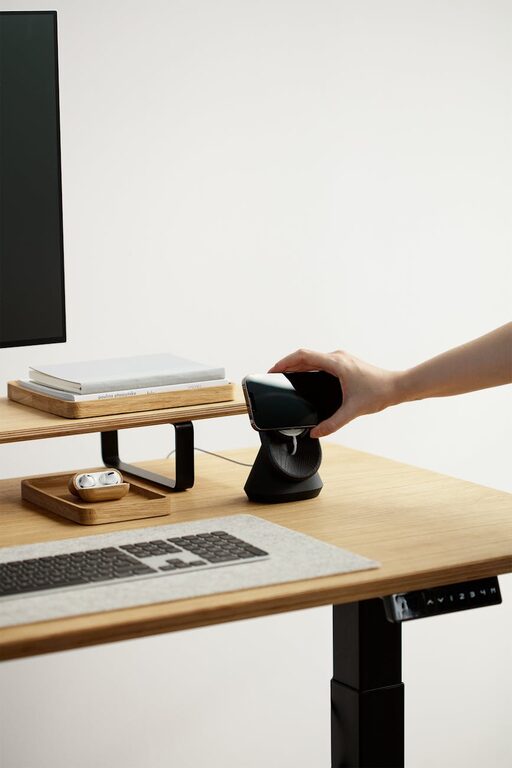
Creating a clutter-free workspace at home can make a big difference in your productivity and overall well-being. A well-organized desk and surrounding area help you focus better, reduce stress, and make it easier to find what you need. Whether you have a dedicated office room or a small corner in your living space, these simple tips will help you maintain an orderly and efficient home workspace.
Why a Clutter-Free Workspace Matters
Clutter can be distracting. When your desk is piled high with papers, random items, or unused gadgets, your mind tends to wander. This can slow down your work and increase frustration. By keeping your workspace clean and organized, you set yourself up for success and create a calm environment where creativity and productivity thrive.
Start with a Clean Sweep
Before organizing, clear everything off your desk and work area. This gives you a fresh start and lets you evaluate what you truly need.
– Remove all papers, books, and gadgets.
– Wipe down surfaces to remove dust and crumbs.
– Sort items into categories: keep, toss, or relocate.
Getting rid of unnecessary items can instantly free up space and clear your mind.
Use Storage Solutions Effectively
Having a place for everything is key to staying organized.
Desk Organizers and Trays
Dividers, trays, or small containers can keep pens, paper clips, sticky notes, and other small items tidy. Assign each supply a specific spot so they don’t pile up randomly.
Shelves and Filing Systems
Use shelves to store books and binders. File important papers in labeled folders to prevent stacks on your desk. Consider vertical file organizers for documents you use often—this saves space and keeps them within reach.
Cable Management
Tangled cables can add visual clutter and create frustration when you need to plug something in. Use cable clips, ties, or sleeves to bundle cords neatly. This keeps your workspace looking cleaner and safer.
Keep Only What You Use Daily
Evaluate which items you actually need on your desk every day. Store other materials nearby but out of sight.
– Place frequently used items within arm’s reach.
– Store reference books and less-used supplies in drawers or on shelves.
– Consider rotating items if you work on different projects, so your desk stays relevant to your current tasks.
Adopt a Daily Reset Routine
Spend 5-10 minutes at the end of each workday tidying your workspace. This habit prevents clutter from building up and gives you a fresh start the next morning.
– Put away loose papers.
– Return supplies to their containers.
– Clear your desktop and wipe it down if needed.
This simple step makes a big impact over time.
Personalize Mindfully
Adding personal touches to your workspace can make it feel more inviting. However, avoid overcrowding surfaces with too many decorations.
– Choose a few meaningful items such as a photo, a small plant, or an inspirational quote.
– Aim for minimal decor that enhances your mood without distracting you.
Utilize Digital Tools to Reduce Paper Clutter
In many cases, much of your paperwork can be digitized.
– Scan important documents and organize them in clear folder structures on your computer or cloud storage.
– Use digital note-taking apps instead of piles of sticky notes.
– Set up reminders and calendars digitally to reduce printed schedules.
Fewer papers mean less clutter and easier access to information.
Optimize Lighting and Ergonomics
A well-organized workspace is not only about tidiness but also comfort.
– Ensure your workspace has good lighting—natural light is ideal, but a quality desk lamp works well too.
– Arrange your chair, desk, and computer to support proper posture and reduce strain.
When your workspace is functional and comfortable, you’ll feel more motivated to keep it neat.
When Things Get Messy: Tips for Quick Cleanups
Even with the best intentions, clutter can sneak back. Here’s how to quickly regain control:
– Set alarms to remind you to declutter every week.
– Use baskets or boxes for quick sorting — empty them during your next cleaning session.
– Ask yourself “Do I need this?” before adding anything new.
Conclusion
Organizing a clutter-free workspace at home doesn’t have to be overwhelming. By starting with a clean slate, using the right storage options, limiting desk items to essentials, and maintaining daily tidying habits, you can create a space that supports your work and well-being. Remember, small consistent efforts lead to lasting results and a more enjoyable work-from-home experience.